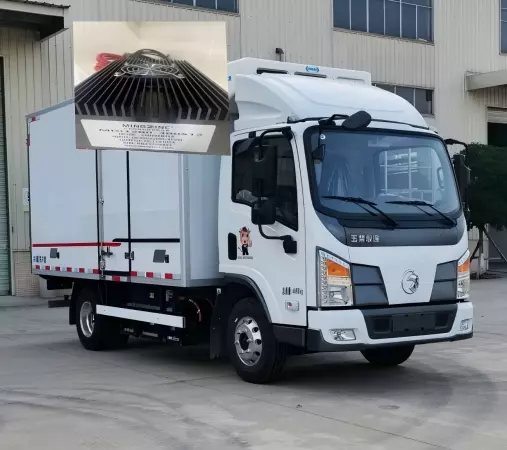



Power supply solutions for new energy refrigerated display cases and automotive refrigeration units
What are the consequences of not using DC-DC power modules for isolation in the refrigeration units of new energy refrigerated trucks?
1. High-voltage breakdown and fire risk (most serious danger): Fault propagation: If an insulation fault occurs in the high-voltage components inside the unit (such as the compressor drive circuit), high voltage may directly enter the low-voltage control circuit. Without electrical isolation, this dangerous high voltage will be conducted in reverse along the power lines to the entire vehicle's power network, causing other equipment on the vehicle (such as lights, central locking, dashboard) to become electrified and damaged, or even igniting wiring. Potential electric shock risk: Although the vehicle body is metal, there is a safety hazard if maintenance personnel come into contact with the vehicle while it is electrified.
2. Damage to the vehicle's core electrical system: Reverse impact: When a serious short circuit or overload occurs inside the refrigeration unit, the huge fault current will directly impact the vehicle's battery and alternator, which may: burn out the vehicle's main fuses or wiring, causing the entire vehicle to malfunction.
Damage to the delicate on-board ECU (engine control unit) or BCM (body control module), resulting in extremely high repair costs.
3. Failure to pass relevant certifications and standards: From a design perspective, most commercial vehicles and refrigeration equipment require basic electrical isolation between high-voltage and low-voltage circuits to meet safety standards (such as ISO 16750 Road Vehicle Electrical Standard, IEC/UL, and other safety regulations). Designs without isolation are non-compliant and may pose legal and liability risks.